100 Poems!

The 7th issue of Shift: A Journal of Literary Oddities contains an important milestone for my writing life. The journal recently published my poem, “Hands-free,” which happens to be my 100th poem to appear in a literary journal or anthology. I’ve meant to go over each acceptance and figure out how many of the 50 states I’ve appeared in, but other tasks have taken precedence.

“Hands-free” is a contemplation focused on how my late father’s dreams have bled into my own. It is fitting that such a poem marks this juncture. My father was also a poet. He was, to use his word, tickled, with the idea of seeing his work in print. Yet he was shy about the submission process. The few rejections he did receive had the effect of paralyzing future efforts. Fortunately, he forged ahead with the actual writing of poetry as he went about his days until he passed away in 2002.

I wasn’t actively writing poetry during the years when I listened to my father talk about his work. I regularly wrote newspaper articles back then. I chipped away at a couple of children’s novels. Yet when I could sneak in a visit, he often shared his favorite poets with me, and I felt my interest in poetry pique. Alas, my schedule was weathered by my library career and the aforementioned writing projects. 

As I lived my busy life, I often pictured my dad walking a backroad as he took in a stark winter Northwest landscape, say, before stopping to jot down a few lines in his grubby notebook. Every so often he’d mention how he might submit a poem to this rag or that one. I usually did not hear if he followed through on his intention. I do know I would have heard if he’d received an acceptance.

While I’ve experienced my own moments of agony over rejection letters, I have learned how to try again. Though I must admit, I did not discover true resolve over this necessity until I was about 50, some 10 years after my father’s death. I wish he’d lived long enough to have known the 50-something (and now 60-something) me. If he had, I would have rolled up my sleeves and helped him develop a system for submission. I would have employed my methodical way of sending batches of poems out to journals around the country, if not the world. Because I am certain my father’s acceptances do exist in some parallel universe. Though I am not sure if I will ever be free of the wistfulness I feel over the intermittent “if only” that continues to prick my thoughts.

Wannabe Blue – Poetry by Kari Wergeland is forthcoming!

Cold River Press is running a discounted presale through May 12!

Kari Wergeland’s Wannabe Blue is a compelling and philosophical poetry collection characterized by close observation ‘The little shark has kitten teeth, / black button eye. / Its mouth hinged open’, wariness ‘Danger could open up anywhere / Just this thought wrings a drop of awe from the morning’, and yearning for something beyond all the anxieties we face ‘I want the world to be / about love and creativity— / colorful trinkets by the sea’. These are poems to visit again and again to find the place inside us where solace begins.

— Lucille Lang Day, author of Birds of San Pancho and Other Poems of Place, editor of Fire and Rain: Ecopoetry of California

The poems in Wannabe Blue describe Kari Wergeland’s wide-ranging recollections with well-honed poetic craftsmanship. There is a fine mix of free verse lyrics and occasional pieces of formal poetry as in the lovely sonnet titled “Old Photos”. The poet has an ability to compress stories from various time periods into a single poem, handling with ease and an adept use of language, the move from a present time glimpse of a coyote to past memories of a father who smoked when she was in elementary school. Conversations during two different visits to the beach, appear to be in stark contrast only to the poet herself, whose loss of her hair between those visits makes an understated, but moving, reference to her cancer. This collection gives occasional glimpses of California, seen as the vivid color of bougainvillea, brilliant against the green grays of the Pacific Northwest. Underlying these places, layers of history break through in the form of miners’ panning for gold and old ghost towns crumbling into the present time and into the poet’s imagination. Interspersed among the histories are moments of whimsy that will make you smile, like the grapevines whose trunks twine together ‘as if preparing to dance’, or the dry leaves that fell ‘up into the air’, on ‘the day the waves broke backwards.’

— Judith Barrington, author of The Conversation, Long Love: New & Selected Poems, 1985-2017 and Virginia’s Apple: Collected Memoirs

Booktubers, Bloggers, and BookTok: The Mysterious Process of Literary PR

My novella, Off the Wall, was released on October 27, 2023, through Finishing Line Press. At that time, I received a digital review copy for sending out to potential reviewers. Unfortunately, the small press publishing timeline isn’t always similar to that of the Big 5. Large presses make review copies available long before the book release date. Needless to say, prominent review journals, such as Publishers Weekly and Library Journal, want access to review copies months before the book becomes available. This can also be true for review outlets focused on indie presses. Thus, I had to scratch a number of review journals off my PR to-do list. I did circulate a press release and a media kit focused on Off the Wall more than three months before the publication date. This generated a little activity. Poet Ellen Bass sends out a regular newsletter, and she ran an announcement, as did two of my alumni groups (University of Oregon and Pacific University). That seemed like a start.

Snagging book reviews, however, feels paramount. Back in October, I scanned suggestion lists in several PR how-to books and proceeded to shoot out review copies to reviewers that might give Off the Wall at least a cursory glance. I entered a pile of published book contests – 15 of them. Meanwhile, the holidays barreled forward, and I decided to run a holiday book ad on Instagram. Yet I figured I wouldn’t hear much from anyone until 2024 was underway. 

In January, I appeared before a book group in the Newport Library (Oregon) to discuss Off the Wall. This warm and friendly event helped me get a sense of how people might respond to the novella. I was grateful for the early invitation, and I’ve put out a few feelers to other venues where I might read and/or sign copies. Yet I sense I need a book review or two before I can draw in a reasonable audience. Placing in a contest wouldn’t hurt.

I’m well aware I might be missing the online approach that could help move things along: Booktubers, Bloggers, and BookTok. I could look for Zoom literary events. Yet I’ve begun my marketing strategy with an old school methodology – rattling the chains of traditional media. Maybe this doesn’t work any longer. It is difficult to know what really works.

In February, a cloud of ennui moved over me as nothing appeared to be happening. Book sales were flat. Meanwhile, no book reviews materialized. I’ve been comforting myself with thoughts like, “It’s early yet.” Indeed, I’ve gone through this process with my two self-published books of poetry and my poetry chapbook. I’ve learned you have to cast a wide net to nab a few bits of buzz,

Here’s what I reeled in for those earlier books.

Voice Break (CreateSpace)

  • Radio Interview with Eric Alan on KLCC
  • Write up in Newport News Times

The Ballad of the New Carissa and Other Poems (CreateSpace)

  • Mention in the The Eugene Register-Guard
  • Write up in Newport News Times

Breast Cancer: A Poem in Five Acts (Finishing Line Press)

  • Finalist in the chapbook category of the Eric Hoffer Book Awards
  • Book Review in Cure Today
  • Write up in Oregon Coast Today

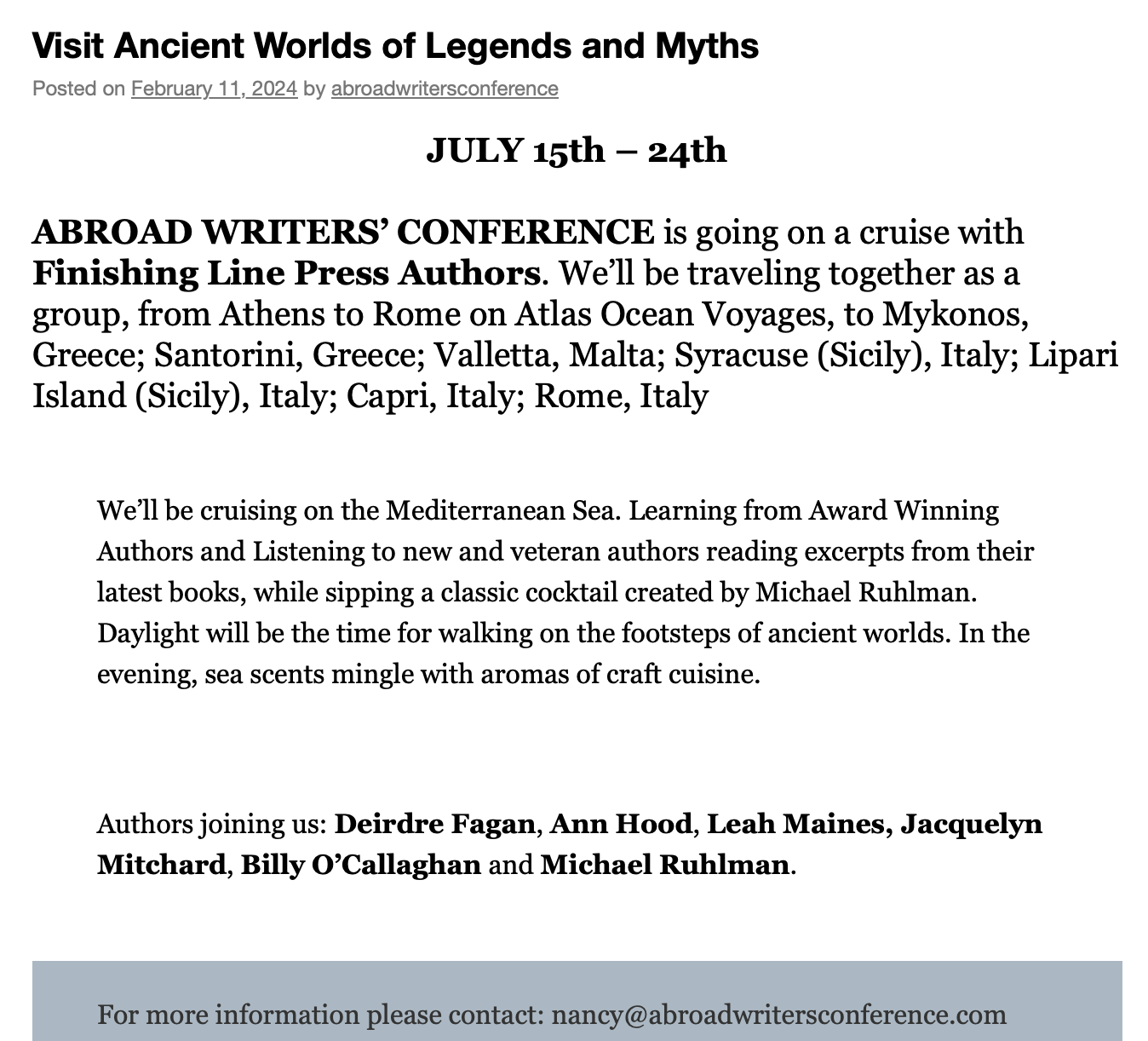
I know this isn’t a bad outcome. I’m good in company with other indie writers over the PR struggle. Yet I feel I must be missing some miraculous key that would break things open. Such thoughts were still spinning through my mind when my publisher, Leah Maines of Finishing Line Press, invited me to read my work this July during the Abroad Writers Conference which will be held on a cruise in the Mediterranean. That did perk me up.

Singing Sondheim While I Wait

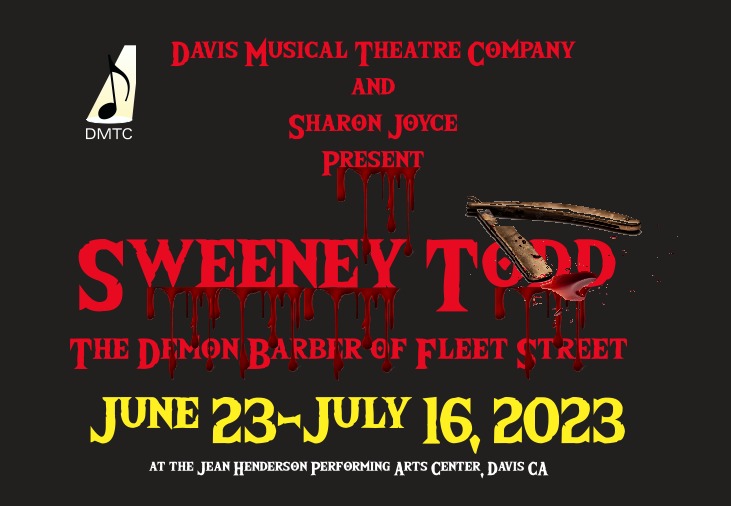
The writing life tends to be one big case of hurry up and wait. I’m still looking for that agent. At least I have one novel in the works. Finishing Line Press will put Off the Wall into the preordering phase on June 26th. But I won’t see the galley until the end of the summer and the book won’t become available till October (if all goes well). Meanwhile, I’m spending time memorizing music and blocking for Sweeney Todd. As the director, Steve Isaacson says, the ensemble has a lot of work to do. The London citizens in this show act as a Greek chorus, commenting on the tragedy at regular intervals.

The State of My Voice

This year I managed to post one blog piece, kicking off 2022. The rest of the year slid past me, though that doesn’t mean I wasn’t using my voice. I was busy with agent queries, a bit of poetry writing, and revisions on my set of linked short stories. Yet none of these endeavors insisted on a blog post. I’m remembering how I started this blog in 2012 to explore the idea of voice and vocal problems. In an attempt to round out not only the past year, but also the last decade, I will offer an update on the state of my voice.

I hit a milestone when Finishing Line Press accepted my novella, Off the Wall, last September. While I’ve had a few short stories published, Off the Wall will be my first full-length paperback (if you discount my self-published collection of poetry). The novella stars Sadie Taube, the daughter of a deceased heroin addict. She’s living on Bainbridge Island, Washington, with her aunt and uncle in their big ass house. While they treat her all right, she’s not exactly their daughter. She’s been working in a diner and saving every penny. The restaurant is warm and friendly, decorated with the dollar bills customers have left behind. When Sadie turns 18, her boss Bev asks her to stay after work so they can celebrate. Bev doesn’t know she has a plan brewing, one focused on the Coast Starlight. Sadie is gonna get on that train and head to California. Yet during this last hurrah she finds reason to track down a little extra money (when Bev isn’t looking). Off the Wall is due out next fall.

What I like about poetry writing is the way commercial aspects do not play into the publishing process all that much. I can tinker with work and get it out there. But I can’t expect a lot of recompense. So I don’t. Writing poetry allows me to experience the joy of writing without feeling pressures focused on agents and editors, or the tough publishing market. Feeling that joy has its own reward. Once a poem is out in the world, it claims its own destiny. It can live or die, as necessary. 

And yes, I’m still singing. During the first year of the pandemic, I connected with a voice teacher on the Oregon Coast who was willing to work with me either on her porch (as she guided and accompanied me through the window), as well as via FaceTime (during times when I was working as a librarian in California). My teacher uses the Joseph Klein technique, which initially felt like a dubious challenge as it differed from anything I’d done before. Yet this approach has helped me fix a number of problems. For example, evening my upper register with my lower register has been a major snafu for me since day one. We are now in our third year together, and I continue to be amazed at my teacher’s ability to push me to the next step. This fall she assigned “O cessate di piagarmi” by Alessandro Scarlatti, as well as “Nel cor più non mi sento” by Giovanni Paisiello. As I live in Davis, California, when school is in session, I’ve been trying to do my best with these pieces through FaceTime. I’m looking forward to my next in-person session with her so that she can truly assess my progress.

Finally, I haven’t stopped exercising my library voice, and I’m not talking about shushing people when I’m sitting on the reference desk. Community college librarians have been charged with the task of helping people work through the maze of misinformation, disinformation, and fake news. It takes work to develop the sort of critical thinking necessary to pinpoint quality sources. I stand ready to cheer on any student willing to deepen their information literacy skills. As an FYI, I will be teaching Library Research and Information Literacy online through Sacramento City College this spring (March 20 to May 12).

Happy New Year!

Writing on the California Zephyr

The Pfizer vaccine clinched it for me. I’d been stir crazy in my 470-square-foot studio, so I used my Amtrak points to book a roundtrip ticket on the California Zephyr from Davis, CA, to Chicago for spring break. I got this idea after I noticed how Amtrak was advertising these little rooms as a great way to travel during the pandemic. They’ll bring you your food. Masks are enforced in the public areas. They’ve worked on their air filtration system. I spotted an ad with a person sitting with a laptop in a roomette, and the writer in me said, Yes! I’d been wrangling with a 450-page novel manuscript throughout the year of COVID and was ready to move into some concentrated work on the project. As the trip drew closer, I began to waffle—worrying I’d be making a huge mistake. Then California opened their vaccine list to educators, and I inadvertently received my doses in time for the trip. 

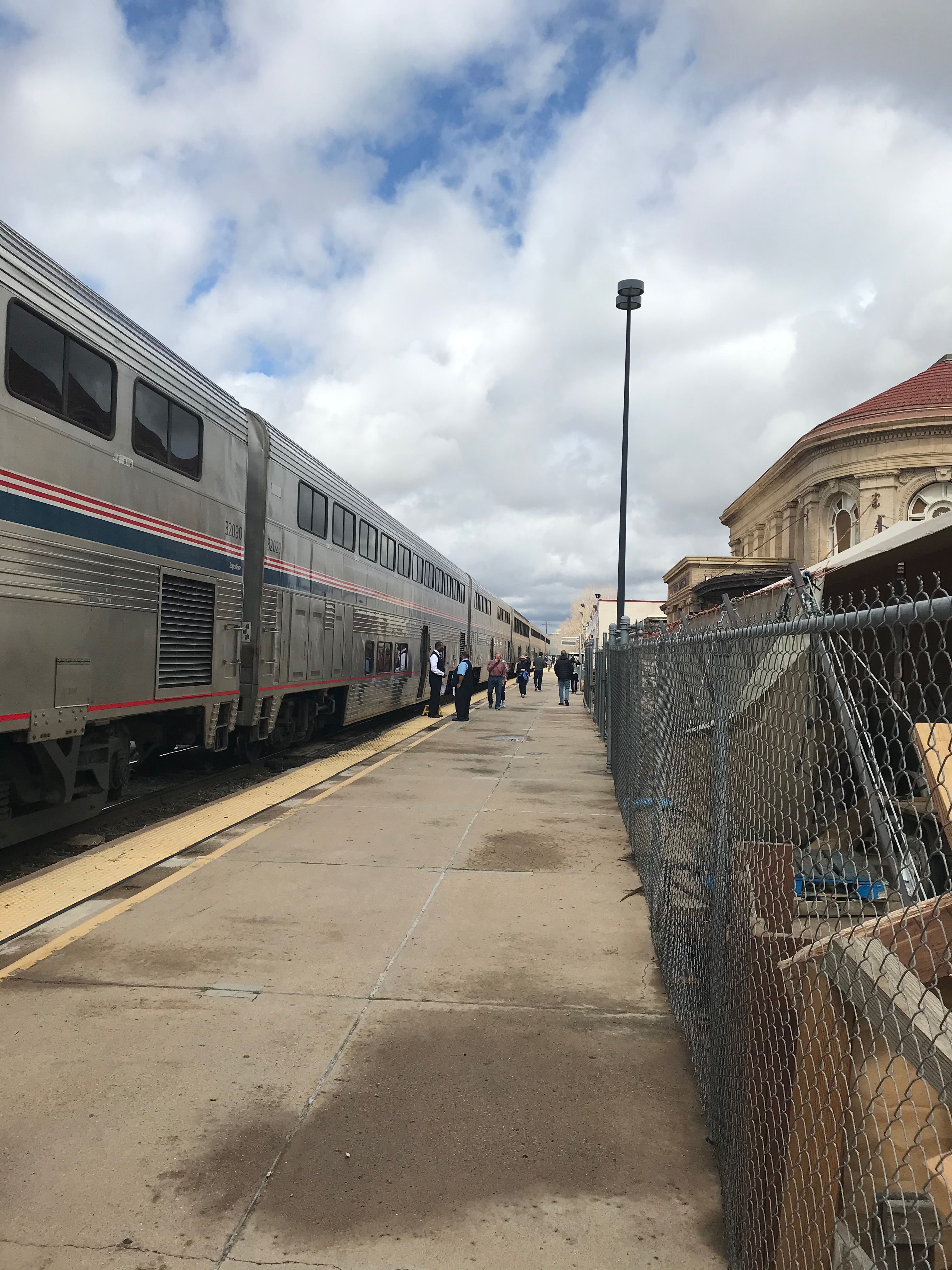
I boarded the train feeling nervous, though I quickly settled into the routine. I could lock my door, shut the curtain, and remove my mask. I enjoyed a few hours of scenery. Then I pulled out my laptop. The pressure cooker that is a roomette on a long Amtrak journey proved to be no joke for me. I wrote for hours during my seven day trip (two nights on the rails, two nights in Chicago, and two nights on the rails). My level of focus ratcheted up—I felt like I was in a bubble. Needless to say, the novel is not completely finished, but it is close. For me, this is no small feat as I’ve been grappling with this manuscript since 2002. I plan to give it a final polish over the summer before moving on to the pitching process.

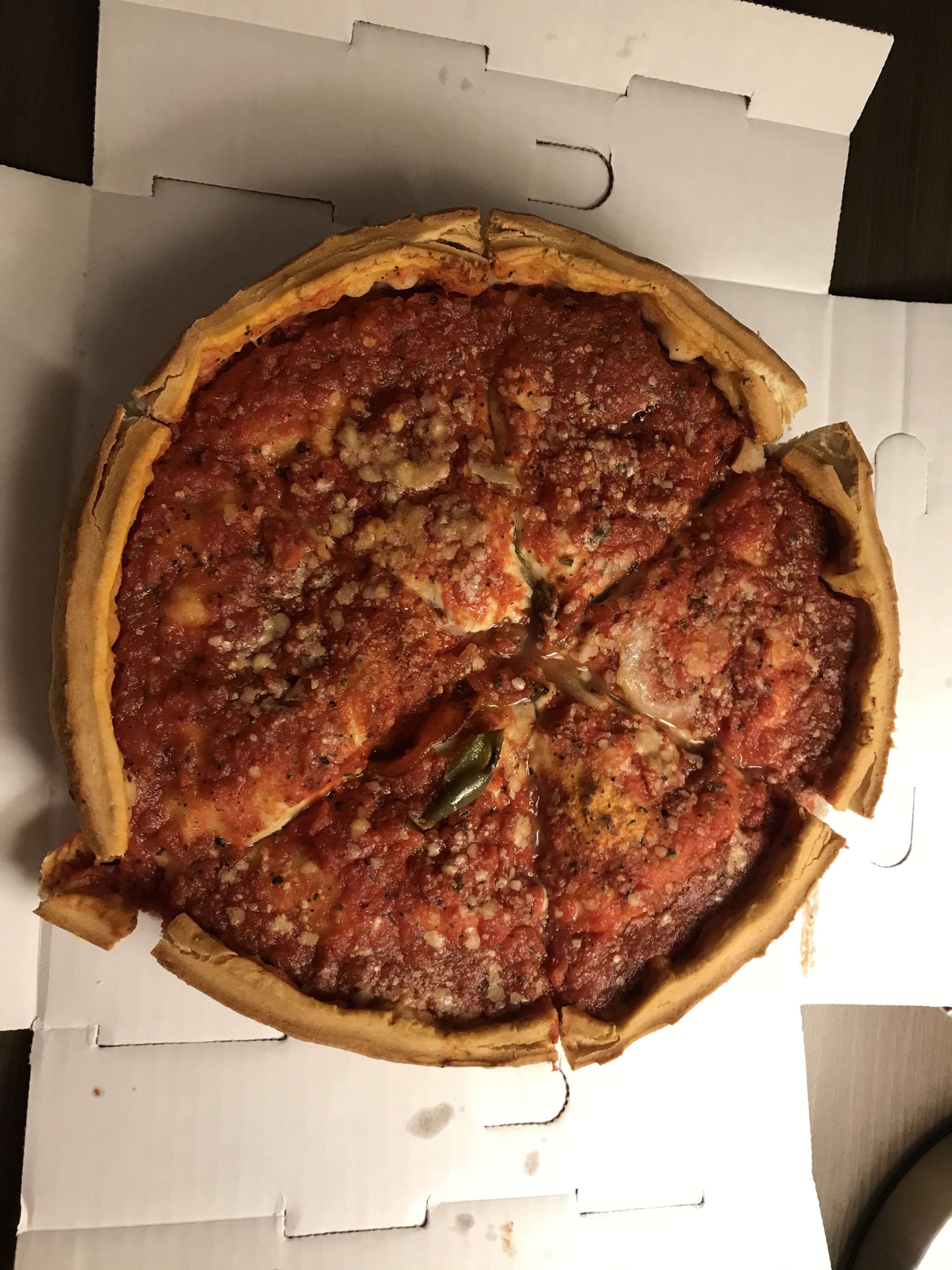
Our COVID laden world did present some challenges. No surprise there. When I arrived at Union Station in downtown Chicago on a Saturday afternoon, I noticed most businesses were closed. The .2 mile walk to my hotel felt safe enough, though eerie. There weren’t many folks out and about, not even homeless ones. I took this as a sign I should continue working on my manuscript in my hotel room. I did have a ticket to The Art Institute of Chicago for Sunday. This allowed me to check off one item on my bucket list. I managed to track down a Chicago style pizza at Giordano’s (another checkmark). I’d wanted to see Lake Michigan but decided I shouldn’t roam too far.

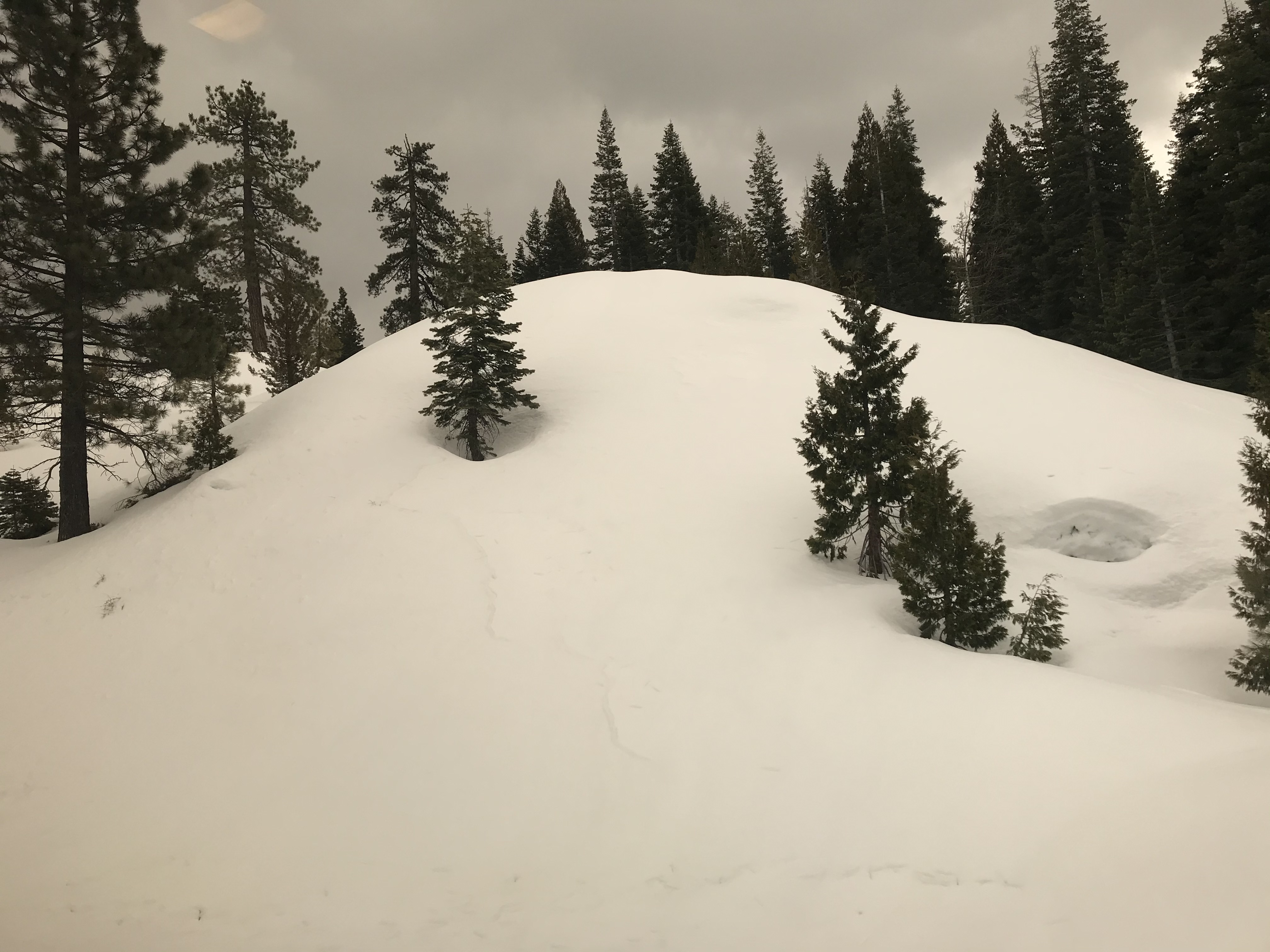
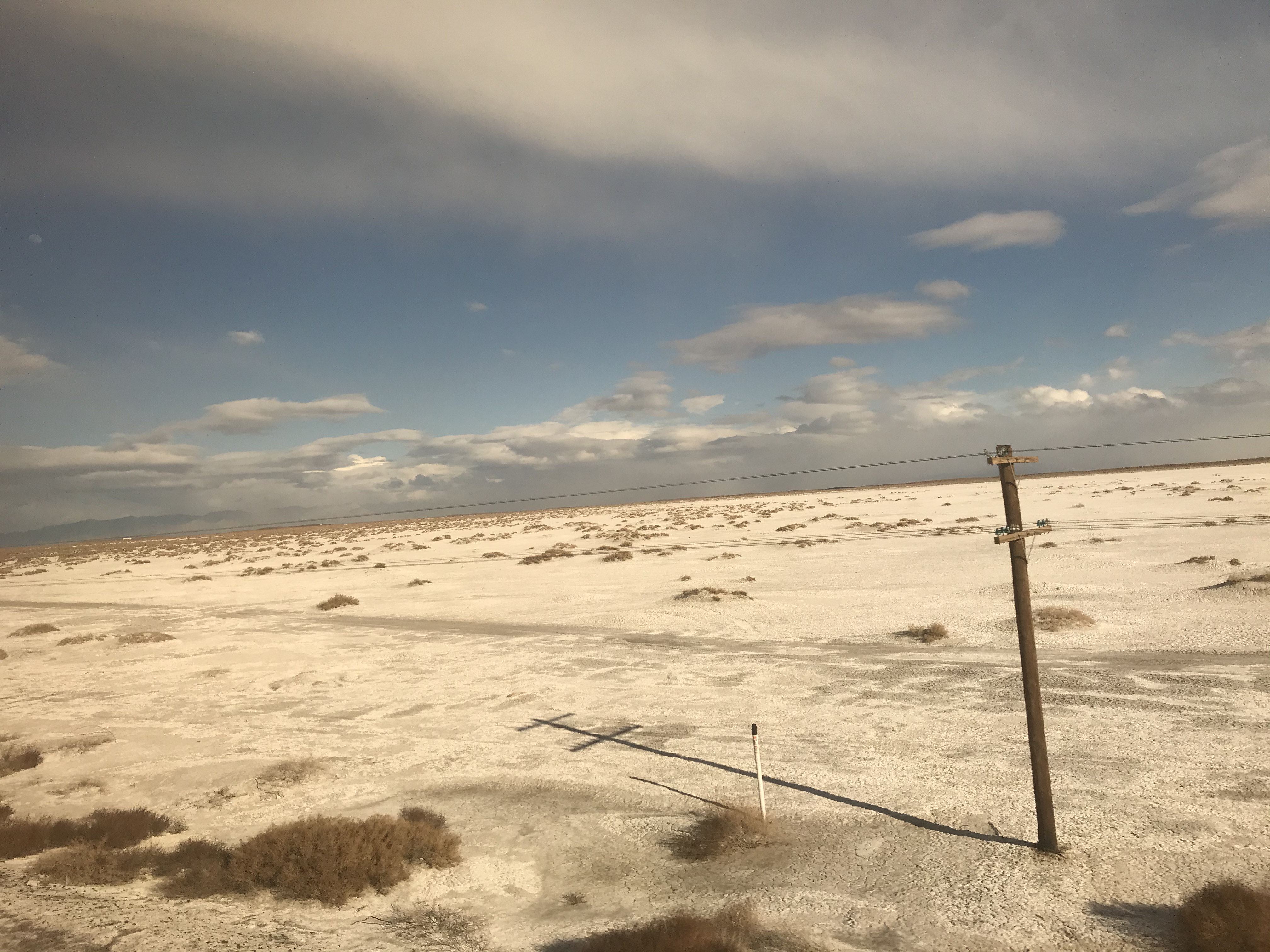
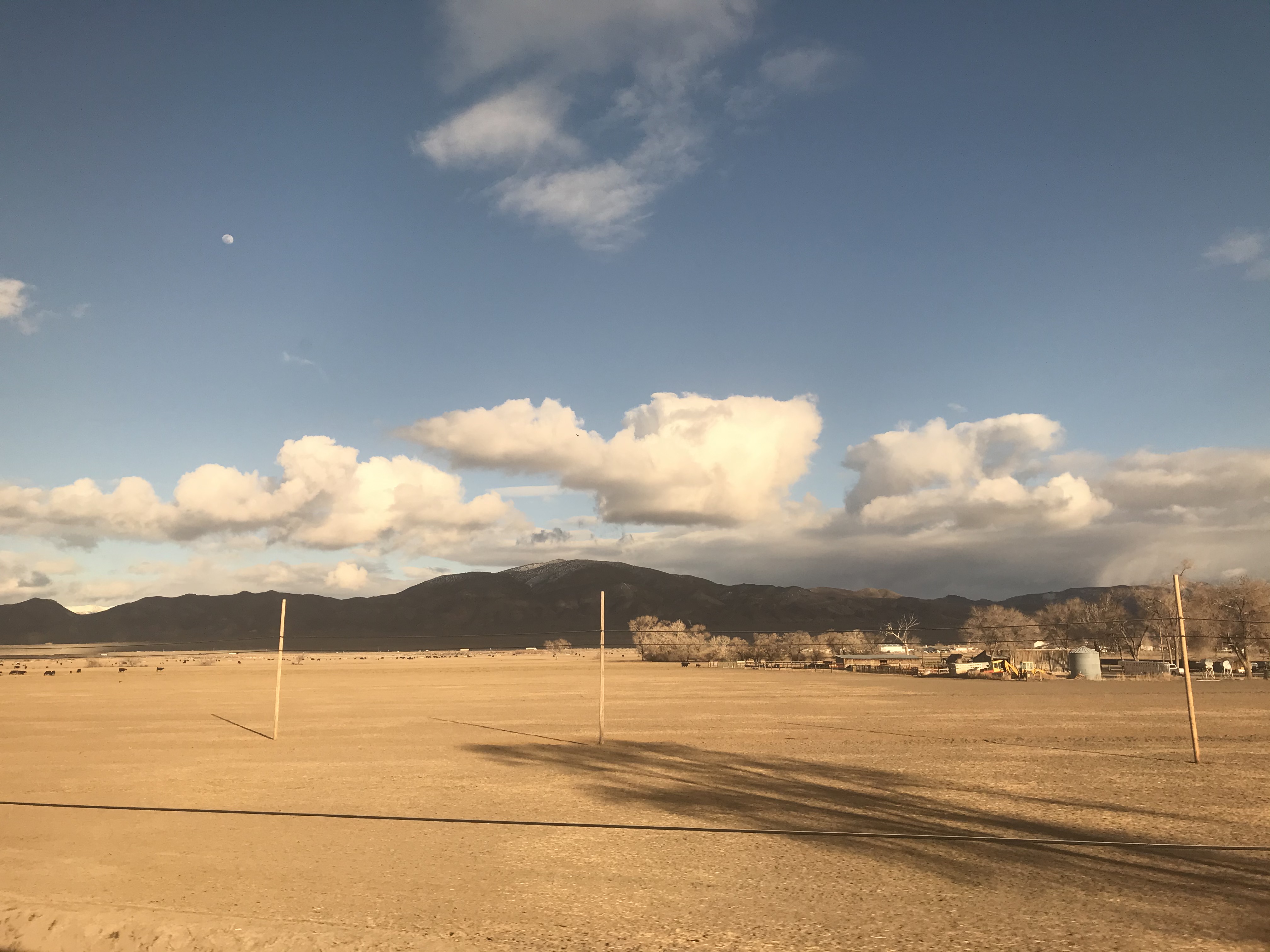
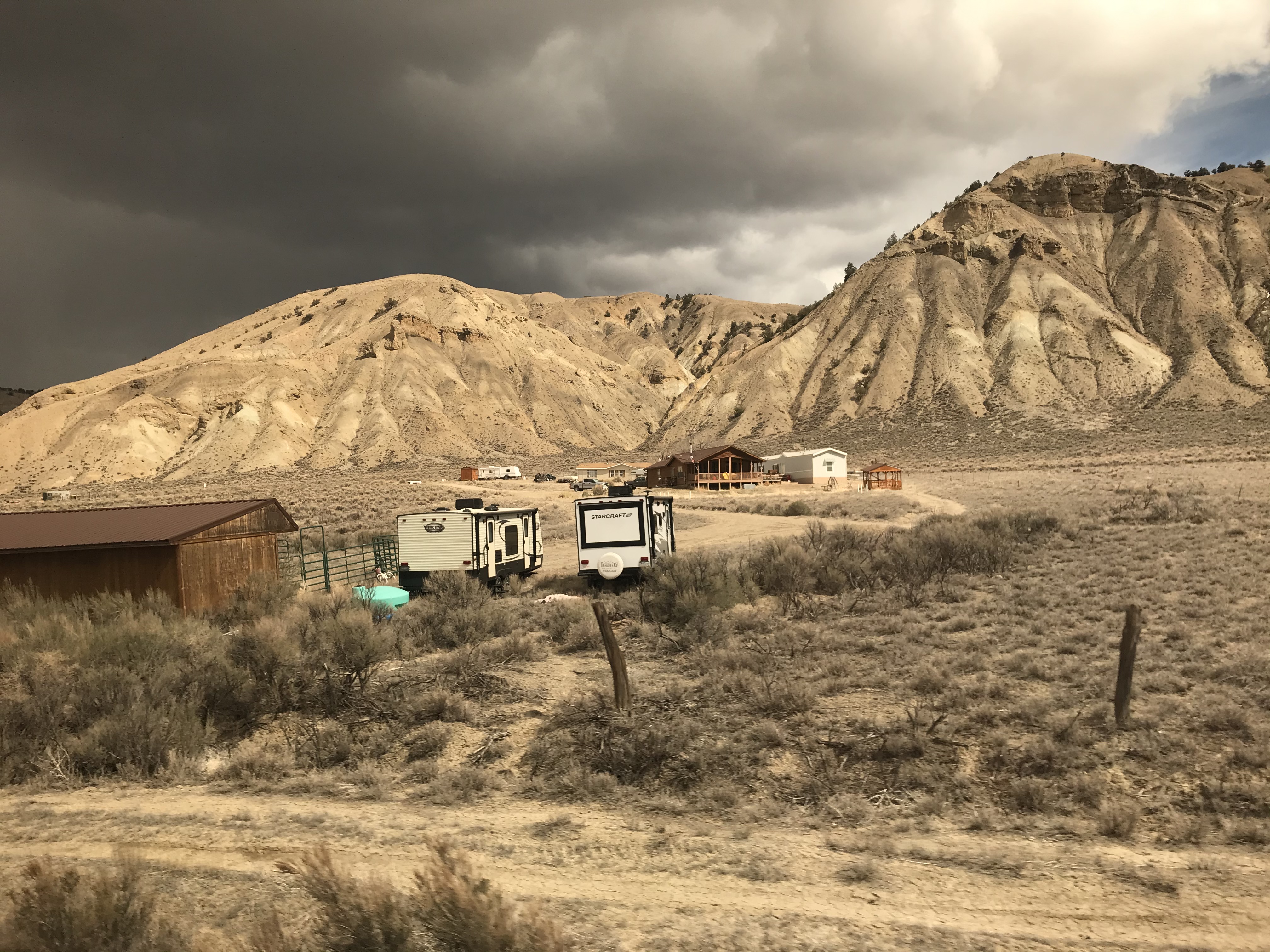
Thus the trip proved to be a solo experience, one that put me in a meditative state of mind. Did I mention the California Zephyr rolls along a most scenic route? Deserts, snow-capped mountains, forests, rivers, and streams. I didn’t experience much boredom until day 6, after I’d written for about six hours. I imbibed in a glass of wine. Then a moment of crankiness overtook me. I was stiff and sick of sitting. I looked out the window to note the sun going down on a Utah desert. This most spectacular sunset—ending with a red sky above, the black silhouettes of quirky land formations below—pulled me back into the journey.

One takeaway from the adventure was the realization I was doing my own testing of the efficacy of the Pfizer vaccine. It felt good to begin facing the world, though I did not act normally. I wore my mask in public. I frequently used hand sanitizer and wipes. I didn’t talk to many people. I felt sadness over that last point, because during prior Amtrak trips, I’d nattered with all sorts of folks. Still, I found myself loosening my COVID prevention tactics. For example, I shared a bathroom with other passengers in the sleeper car, which made me feel uptight the first day or two. At some point, I stopped thinking about it. And on the trip out, I received all of my meals in my roomette. On the trip back, I decided to take a few of these meals in the dining car. As an FYI, the dining car practices social distancing by making use of only half their seating. And they don’t seat more than one party together as they do under normal circumstances. Needless to say, on the final day of the trip, I decided I’d left some COVID fears behind. I will do what I’m asked to do in terms of social distancing as America works through this, but I feel ready to move forward.

My COVID-19 Novel

My COVID novel—probably chick lit (and not about COVID-19)—is a project I’ve been wrestling with since 2002. 2002 is misleading from an “amount of time spent writing” standpoint. I’ve probably put 5 to 7 part-time years into the draft I’m working on right now. The rest of the time, the project languished in storage, lost (but that’s another story). 

During the fall of 2019, I tracked down the manuscript and began organizing a new draft. I was happily writing away last March when my community college district released me to do reference librarian work from home. This afforded me more time to write as I no longer needed to commute. I could no longer encounter distractions out in the world.

So when we first went into the stay-at-home debacle, I thought, “Great! Maybe now I’ll finish this thing.” I kept chipping away during the traumatic months of 2020. Over the summer, I received honest critique from three generous readers, though not without experiencing a good dose of inner drama over what was said. I worked through all of their notes, deciding which ones I should pay attention to, which ones I should chuck. My latest draft has a whole new structure, one I’m beginning to like. Needless to say, the manuscript has prevented me from being bored. 

Just this month my storytelling inched its way to the apex of an important hump. In other words, it feels like I’ve finally gotten the story. What is left is myriad details, not to mention polishing and pulling a number of strands into a coherent whole. (I think I can. I think I can.) I’ve been passive-aggressive toward this project from day one—I’m still not sure I can nail it. Yet new optimism began to poke me last weekend when an important section fell into place.

This is not to say there isn’t plenty left to do. I suspect I won’t have a strong draft till fall. Still, a couple of weeks ago, I dreaded every writing session. I would force myself to sit down and write for two hours at a time. Period. While I can sometimes go into the zone and write for hours, I have to impose this sort of structure on the process when I feel such resistance rearing its ugly head. Lo and behold, new chapters began to emerge until I moved through what had been scaring me. This is not to say I’m not scared. 

These days I can’t wait to get my hands on the manuscript. I feel the urge to tinker—and tinker some more. I’m certain I’ll enjoy moving this story into its final draft. I will cheer out loud when my pile of chapters morphs into such an entity. This project has become the albatross that almost went into the bin. Now I expect to print out a clean copy by the end of 2021. I expect to get on with the business of selling the darn thing.

Swan Song

Amahl

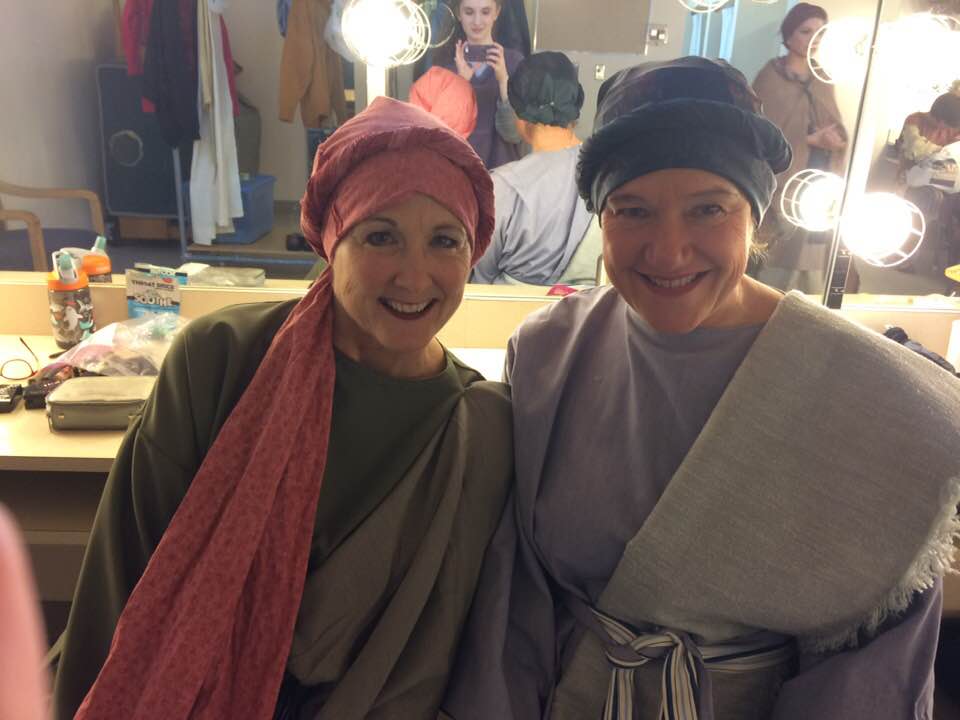
Getting ready for Amahl and the Night Visitors – performed by the Porthole Players and the Newport Symphony Orchesta.

I just scrolled through my own Tweets to revisit “2018 in the Life of Kari Wergeland.” As a breast cancer survivor, I have vowed to live as fully as I can, to refuse to “go gentle into that good night.” Well, it’s been a good year. I launched my first “real” poetry chapbook—I published a handful of other poems in journals and anthologies. I received acceptances on two short stories and one essay (due out in 2019). I sang in a holiday concert with the Central Coast Chorale in Lincoln County, Oregon. And I joined the Porthole Players in conjunction with the Newport Symphony Orchestra to perform as a soprano shepherdess in Amahl and the Night Visitors.I also landed some adjunct librarian hours with Sacramento City College. This will allow me to move into a swan song phase of a career I’ve loved and participated in since I first took a paraprofessional position in the Ashland Branch Library (Ashland, Oregon). I was still in high school at the time.

I must confess, Amahl and the Night Visitors takes the prize in terms of personal satisfaction. I worked with a vocal coach (Rhodd Caldwell) and a director (Bonnie Ross) who were upbeat, supportive, and instructive. I shared this experience with an enthusiastic cast and a group of fine musicians, people who were kind, talented, professional, and a whole lot of fun. We performed to a full house both nights. It felt like we burst to life on opening night. I suspect our troupe came away feeling pretty good about the whole thing. If I never get to do this again, I can now say I checked that box. This was a bucket list item for me.

I continue to think about my bucket list, because my days seem permeated with more intensity than the life I lived prior to breast cancer treatment. It’s been over two years since my last radiation zap, and I’m still finding a heightened sense of meaning in almost everything I do. I don’t want to waste another minute. I try to toss out anything that feels extraneous. I continue to feel gratitude for the opportunities that come my way. Maybe I’m more often noticing what is worth living for at all. Small things like how the ocean looks silver beneath the midday sun. Or how a muted winter landscape reveals its own kind of magnificence. As we were preparing for Amahl and the Night Visitors, our director Bonnie made a point of telling us that people sometimes ask her, “Why do you direct plays?” She said she did it to put some beauty into the world. She followed that thought with another one, “The world really needs this right now.”

Aesthetic considerations may seem inconsequential in the face of political turmoil, wildfires, floods, war, and famine, but I’m with Bonnie on thinking about how we can achieve acts of beauty in a troubled world. As a writer, I continue to ponder the purpose of my voice. What do I need to say? How should I say it? All sorts of thoughts come to mind—some are on my bucket list. Yet no matter how I end up answering these questions, I’d like Bonnie’s sentiment on beauty to be amongst any other reason I might have for writing or singing (or Tweeting or dealing with the public from the reference desk). How a person chooses to use their voice – even in the face of terrible conflict – can potentially move us all toward that fabulous choir sound, which can include major dissonances and minor chords, even as it transcends stalemates born of cheap lines.

Eclipse!

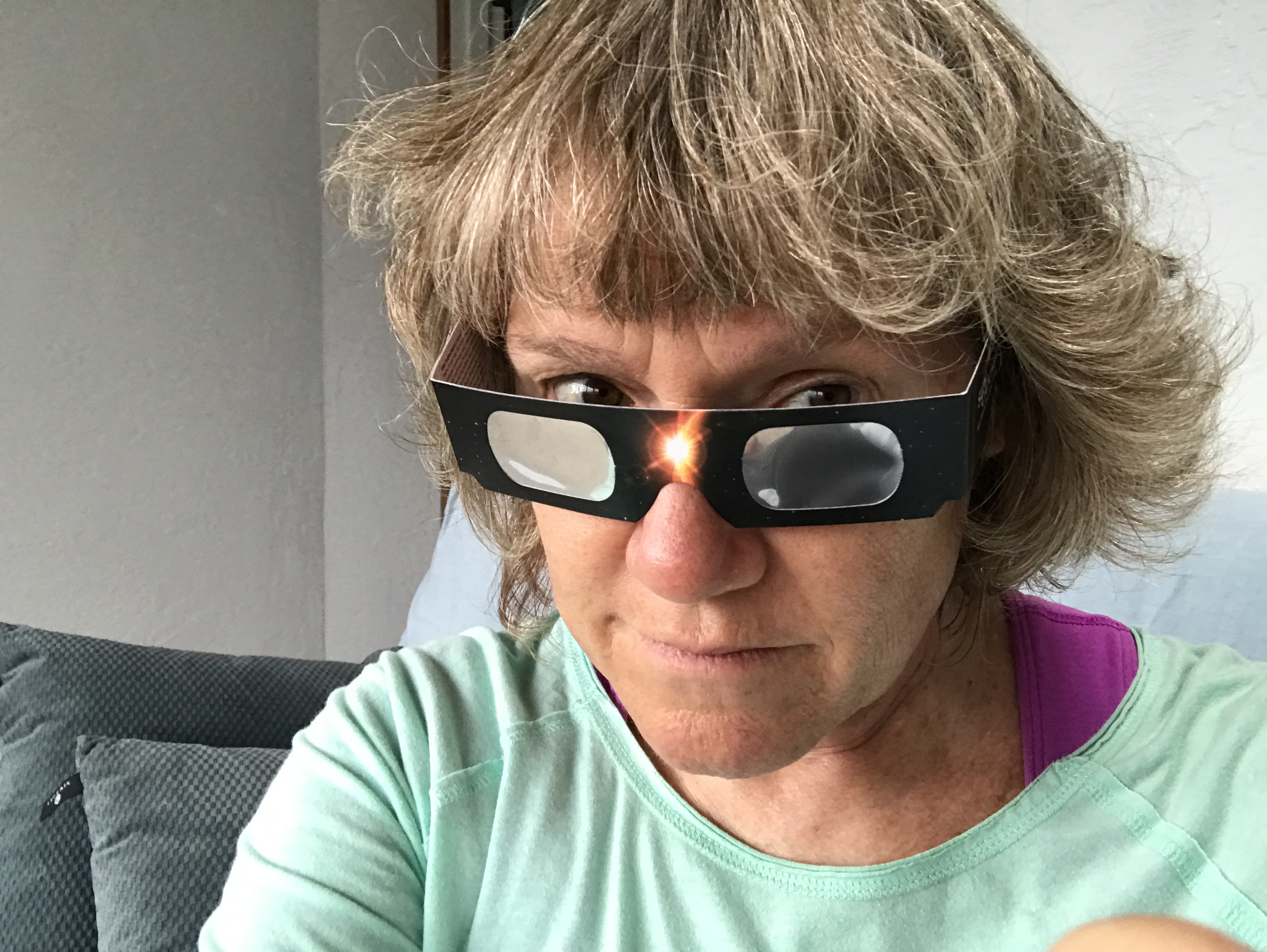
IMG_2264It’s a clear morning on the central Oregon Coast, the first one in a while. We’re hoping for a similar weather pattern a week from now, when the solar eclipse moves to barrel across the country (in actuality, the planet will turn, like it always does, beneath the eclipse). The spectacle will hit the Oregon Coast first, crossing a section that spans from Waldport to a stretch of coastline above Pacific City.

People around here have been bracing themselves. Roads, parks, and area establishments are already overrun with extra tourists. Nightmare traffic is being predicted for next weekend (these tales are mildly reminiscent of predictions I once heeded when Y2K was looming). I’m hoping to avoid a traffic jam on Highway 101 by making it into the area of totality the night before the moon blocks our morning light. On the Oregon Coast, lots of people have been fretting about fog or low clouds getting in the way of the whole show. Today, however, the weather forecast for Newport on August 21 reveals a happy sun. Let’s hope this icon remains nice and yellow.

On Sunday night, I’ll be attending a slumber party consisting of three women who don’t want to drive on the day of the eclipse. In the morning, we plan to have breakfast with friends of the hostess of this said party, so we can all view the eclipse from their eastward facing back deck. Sounds like as good a plan as any.

Normally, I would be back at work by now, kicking off the new semester at Cuyamaca College, in El Cajon, California. I’ve just become a full-time writer (a.k.a. retiree). It’s strange to consider my former coworkers, the ones still living in my old routine. It’s even stranger to think about my own schedule, the unknowns before me. Writing is one of my reasons for this recent passage. And I have been writing most days. I’m particularly happy with two submissions that were born of intensity only a significant amount of time could have brought about.

I’ve also got a number of short stories going, some poems, plus the first draft of a novel that should keep me grappling a while. Yet my works-in-progress pretty much recount worlds I encountered as a working woman. Indeed, my work life has proven to be fodder for much of what I have to say, in my fiction, anyway. Now that I have so much free time, I’m wondering where new material will come from. While my surroundings are gorgeous, the pace of life here is slow. Certainly, my imagination will continue to reach back to earlier times for nuggets that will help me round out this story or that poem. But what about current vicissitudes? Yes, I will spend time with a tribe of people who volunteer, work on their health, travel, and natter in coffee houses. I’ve already joined the Central Coast Chorale. I’m not suggesting there won’t be stories in these dimensions, but I’ve just released a big chunk of me.

I’ve been thinking a lot about how my days in higher education kept my self-esteem whole. I had my place on a fine team—we were accomplishing something. I was continually learning new technologies. I worked at developing my teaching style. I enjoyed the college culture—the camaraderie I experienced with passionate educators. I don’t regret my decision to retire, but I do feel the need to remake the fabric of my life so that I actually have something to say.

I will note, the solar eclipse has already made its way into one of my short stories. While my character has decided to walk some eight miles along the beach to Waldport, in order to get into the area of totality, she still doesn’t know what this event will mean for her life. Hopefully her creator will come up with something after she experiences the little gathering on the back deck of the home of these folks she hasn’t yet met, the ones living in Newport.

Update (8/21/17) Newport, Oregon, comes through!

Break Between Cancer Treatments

A lot of people blog about the writing life. That was my intention when I first put up this site, which was actually designed to promote my work. Like everyone else, I thought I’d share my thoughts about writing as I finished pieces and ultimately sent them out. It wasn’t long before I broadened this aspiration to include any topic, not just writing. Push-button publishing provided a reason to come up with polished pieces—to see how far I could take short essays without turning to an editor. I quickly learned blogging is also a great way to work on facing one’s goofs and imperfections!

My most recent posts focus on cancer and recovery—I’ve been housebound for four months. When I was first diagnosed with breast cancer, I hoped I might take advantage of my convalescence and get some writing done. That possibility quickly eluded me. After I learned I had a few positive lymph nodes, I experienced a fair amount of fear over what was coming. Chemo treatments brought on foggy thinking and genuine discomfort. The best I could do was stick to my goal of one blog post per month. I also chipped away at a poem about what else… breast cancer. It’s a long poem.

I had my last chemo infusion a few weeks ago—radiation is next. It will be roughly three more months before my life returns to normal (knock on wood). I’ve been doing everything I can to improve my chances of living cancer free for a long while. Aside from following my doctor’s orders, I take walks, eat well, and stay connected with people. Yet I’m getting cabin fever. It didn’t help that chemotherapy slowly brought on an aversion to my own home. I began associating my couch and environs with the chemicals running through my veins in a way that made me blame this living space, albeit irrationally, for what I was going through. I was willing to head almost anywhere—to get away from here. Fortunately, I’m coming out of the chemo cave. Chemo brain has already faded. Even better, I don’t have to be back at Moores Cancer Center for a few weeks. They’re giving me a breather.

I’ve just begun to feel well enough to revise an old novel manuscript. I’d actually planned to work on the project during the spring, but it was waylaid by this health drama. When I finally did pull the manuscript out, I wasn’t sure if I would connect with it. Yet I found myself digging right in, occasionally going into the zone. As the hours passed, I experienced some much need optimism. I began to muse, “Maybe I won’t lose anything.

I probably couldn’t have started a new novel during this time. I believe I have forward flow on the old one, because a lot of the work has been done. The scaffolding is in place, and that allows me to focus on style, plot, character development—new ideas. I don’t have to fight a story that’s not coming. I can play with this one to my heart’s content. So far, a sense of accomplishment has punctuated each writing session. That doesn’t always happen, believe me.

I hope to have the stamina to keep up this pace as I deal with radiation. Even if I don’t, I expect my newfound momentum will hold up during the impending break between treatments. It doesn’t matter how well I’m actually doing with the revision process. I’ve needed to feel passion for something in the middle of this upheaval, because chemotherapy dulls just about everything. Indeed, I’ve been yearning for a taste of what I was like before I barreled into this ordeal.